

The U.S. economy has demonstrated resilience amid various challenges, with recent data indicating a complex but generally positive trajectory.
Economic Growth
In the second quarter of 2025, the U.S. gross domestic product (GDP) expanded at an annualized rate of 3%, rebounding from a contraction of 0.5% in the first quarter. This growth was largely driven by a surge in consumer spending, suggesting that despite earlier concerns, the economy has managed to avert a significant downturn.
Employment Trends
The labor market continues to show strength, with unemployment rates remaining low. However, there are emerging concerns about long-term unemployment, which has been on the rise. This indicates that while many are finding jobs, a segment of the workforce is still facing prolonged periods without employment.
Inflation and Interest Rates
Inflation rates have been below their peak but remain persistent. The Federal Reserve has maintained a cautious stance, balancing the need to control inflation with the desire to support economic growth. Interest rates have seen some fluctuation, with the average 30-year fixed-rate mortgage decreasing from 6.96% in January 2025 to 6.09% in January 2026, making borrowing slightly more affordable for consumers.
Market Volatility
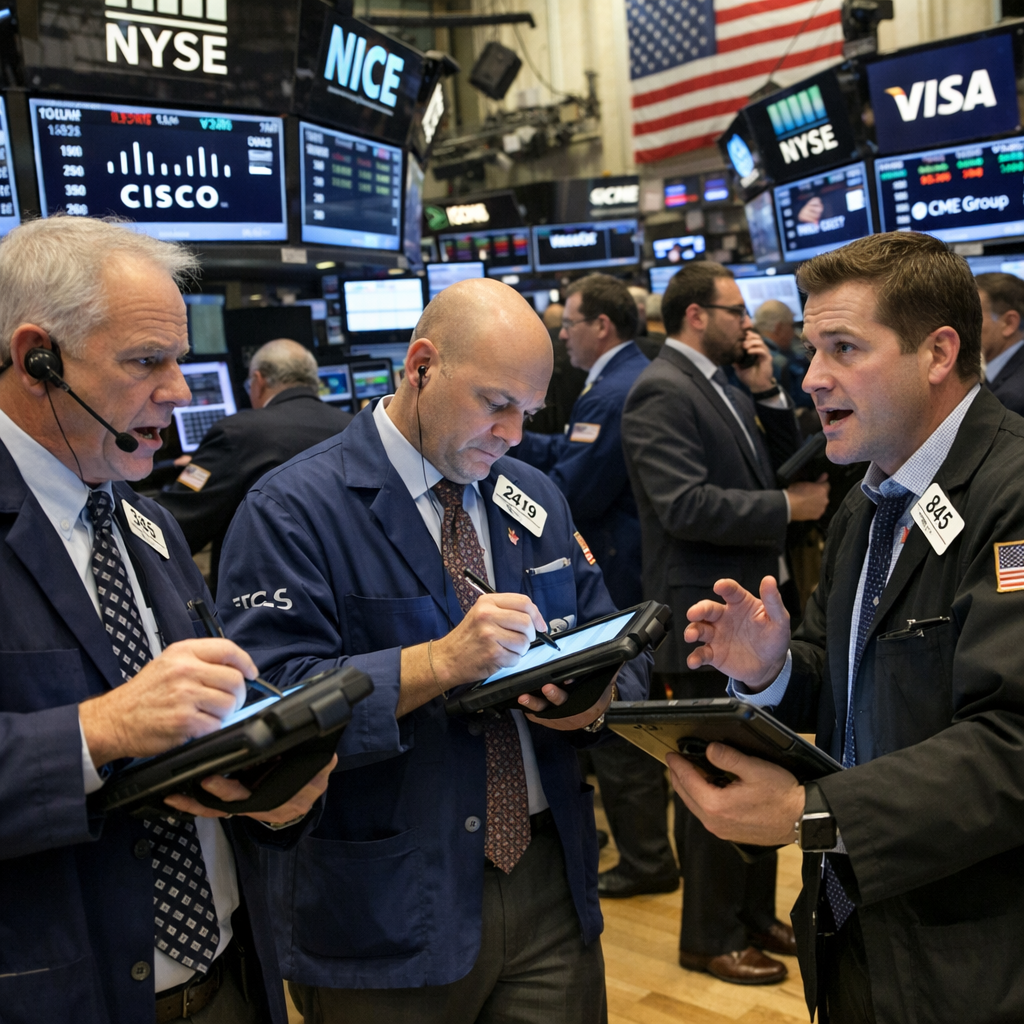
The stock market has experienced volatility, influenced by policy uncertainties and global economic factors. While there have been periods of downturn, the markets have shown resilience, often rebounding in response to positive economic indicators and corporate earnings reports.
Policy Impacts
Recent policy decisions, including tariffs and immigration enforcement measures, have had mixed effects on the economy. While some sectors have benefited from protective tariffs, others have faced challenges due to increased costs and supply chain disruptions. Additionally, heightened immigration enforcement has impacted industries reliant on migrant labor, such as agriculture and construction.
In summary, the U.S. economy is navigating a complex landscape, marked by growth and resilience but also facing challenges that require careful monitoring and responsive policy measures.