
By David Smith
The national mood continues to show stress: most Americans are underwhelmed with current economic conditions and are growing more distrustful of political institutions. These feelings are shaping how people are planning for the future and evaluating leaders—especially as midterm elections loom.
Economic Frustration Runs Deep
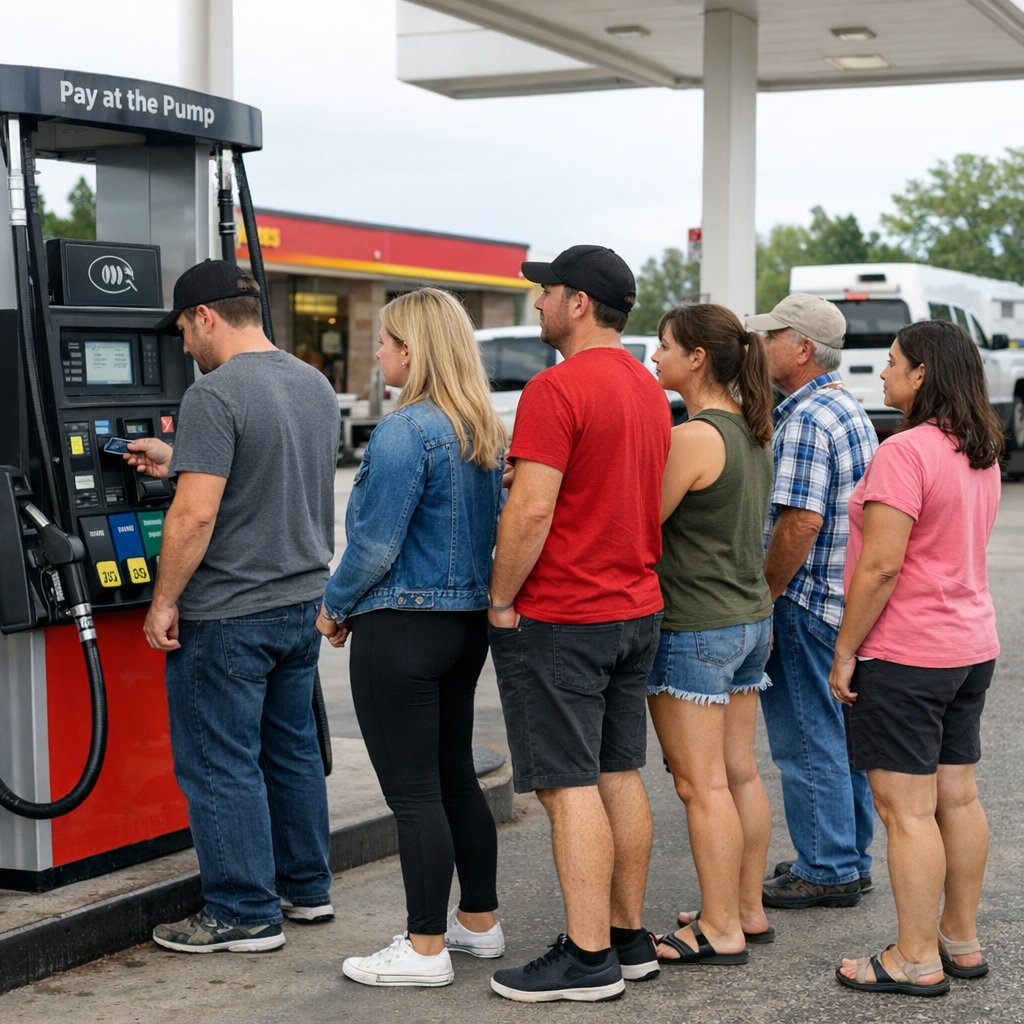
Surveys conducted in mid-2026 reveal that roughly six in ten U.S. adults believe economic conditions have worsened under current leadership. Only about one in four rate conditions as “good” or “excellent,” with many saying high prices for everyday essentials are hitting their budgets hardest. Gasoline, food, housing and healthcare outrank other economic concerns, with gas prices climbing back up amid rising global energy tensions.
Political Confidence Wanes
Alongside economic worries, trust in institutions has notably dipped. Confidence in government, elected bodies, and legal systems remains low, and majorities across the political spectrum express concerns about how decisions are made and whether institutions serve all citizens fairly. Approval ratings for the president and Congress are modest, reflecting citizens’ unease about leadership accountability.
What This Means for Voters
For many, economic hardship directly translates into political urgency. Voters are citing inflation and affordability as key issues influencing their choices. These concerns are fueling higher engagement, especially among those who feel economic recovery has bypassed them.
Looking Ahead: Key Questions
- Will economic relief or policy adjustments before or after the midterms soften the strain households are feeling?
- Can political leaders rebuild trust amid sustained decline in institutional confidence?
- How will issues like energy prices and federal court transparency weigh into voter priorities?
As the national conversation grows more focused on finances and fairness, candidates and policymakers will be tested on whether they can respond in ways meaningful to everyday life.